Clerkenwell carpet cleaning near Farringdon Station what to know
If you are looking into Clerkenwell carpet cleaning near Farringdon Station what to know, you are probably balancing a few things at once: location, timing, trust, and whether the job will actually solve the problem rather than just freshen the surface for a week. That is fair enough. In a busy part of London, carpets pick up more than dirt. Think pavement grit, office footfall, food spills, pet odours, and the general "lived-in" feel that builds up before you even notice it.
This guide walks through what matters most before you book, how the process usually works, what to expect from a good cleaner, and the practical mistakes to avoid. It also covers nearby local realities such as access, building rules, drying time, and the difference between a quick tidy-up and a proper deep clean. If you want a more service-led overview as you read, you can also look at the company's carpet cleaning service and pricing and quotes pages for the finer details.
Contents
- Why Clerkenwell carpet cleaning near Farringdon Station what to know matters
- How it works
- Key benefits and practical advantages
- Who this is for and when it makes sense
- Step-by-step guidance
- Expert tips for better results
- Common mistakes to avoid
- Tools, resources and recommendations
- Law, compliance, standards, or best practice
- Options, methods, or comparison table
- Case study or real-world example
- Practical checklist
- Conclusion
- Frequently asked questions
Why Clerkenwell carpet cleaning near Farringdon Station what to know matters
Clerkenwell sits in one of those parts of London where homes, studios, offices, and short-stay spaces blend together. Around Farringdon Station, carpets can take a beating from constant movement. Mud on shoes after a wet morning. Dust from traffic and nearby works. Coffee splashes during a meeting. That slightly dull patch near the doorway that says, yes, people do actually live and work here.
So why does proper carpet cleaning matter? Because carpets are not just cosmetic. They hold dust, allergens, grime, and odours in the fibres. A good clean can improve how a room feels and how it performs day to day. For landlords and office managers, it also helps protect the impression a space makes when someone walks in, which, let's face it, is pretty immediate. Nobody wants a nice room undercut by a tired-looking floor.
There is also a timing issue. In a fast-moving area like Clerkenwell, people often leave cleaning until the carpet looks obviously dirty. By then, stains may have set, pile damage may be more visible, and odour can linger. A planned clean is usually easier, less disruptive, and more effective than a frantic one. That applies whether it is a flat near Exmouth Market, a shared office off Farringdon Road, or a professional practice that sees clients every day.
Expert summary: In a high-footfall London location, carpet cleaning works best as preventative care, not last-minute rescue. The earlier you deal with soil, spills, and odours, the better the finish and the lower the risk of long-term wear.
If you are comparing services, pay attention to the cleaner's broader standards too. Pages such as insurance and safety and the health and safety policy can tell you a lot about how seriously a business takes the work. Not glamorous, I know, but it matters.
How Clerkenwell carpet cleaning near Farringdon Station what to know Works
Most professional carpet cleaning jobs follow a similar pattern, even if the exact method changes depending on the fibre, the stain, and the room's condition. The first stage is inspection. A cleaner should look at the carpet type, identify visible stains, check for wear, and consider any access or drying issues. This is the bit where experience matters. A wool carpet in a period flat needs a different approach from a synthetic office carpet that gets trampled every day.
The second stage is pre-treatment. Dry soil is lifted, edges are checked, and stubborn spots are treated before the main clean. If you have pet odour, ink, wine, grease, or food residue, this is where the cleaner starts to separate a surface mark from a deeper fibre problem. Sometimes a stain is really a combination of several things, which is annoying, but common.
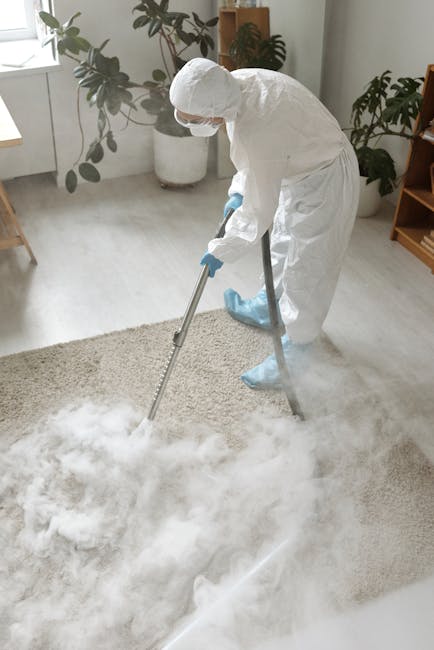
The main clean is usually either hot water extraction, often called steam cleaning, or another low-moisture method. Hot water extraction uses a cleaning solution and controlled moisture to loosen dirt from the fibres, then extracts it along with the residue. Low-moisture methods can be useful for faster drying, lighter soil, or delicate situations. A good provider will not push one method for everything. If they do, that is a small warning sign.
After cleaning comes a rinse or residue-reduction stage, depending on the method used. This part is easy to overlook, but it affects how quickly carpets resoil. If detergent is left behind, the carpet can attract dirt again sooner. Then there is drying. Near Farringdon Station, with flats, shared stairwells, and busy entrances, drying time needs planning. You do not want to be stepping around wet fibres with lunch deliveries coming and going. Not ideal.
Some jobs also include deodorising, stain protection, or targeted treatments for pet issues. If that is relevant, a service like pet stain and odour removal may be worth looking at alongside the main clean. If the issue is broader than the carpet, you may also need upholstery cleaning or even sofa cleaning to get the room feeling genuinely fresh again.
Key Benefits and Practical Advantages
The obvious benefit is that the carpet looks better. But that is only the first layer. A properly cleaned carpet can help a room smell cleaner, feel brighter, and last longer. You notice it immediately in smaller spaces, especially when the light comes through in the late afternoon and the floor no longer looks flat and grey.
There are practical gains too:
- Better first impressions: useful for homes, client-facing offices, rental properties, and managed spaces.
- Reduced odours: helpful if there are pets, food preparation, or long periods between cleans.
- Improved hygiene: particularly relevant in shared environments where dirt is tracked around regularly.
- Extended carpet life: regular soil removal helps reduce fibre wear caused by abrasive grit.
- Less distraction from stains: one bad mark can pull focus from an otherwise well-kept room.
There is also a value angle. Replacing carpet is expensive and disruptive, especially in central London buildings where access can be awkward and work needs coordinating. Cleaning is not a miracle cure, of course, but it often buys a lot more life before replacement becomes necessary. Truth be told, that is why many people book a deep clean only after they have delayed it for months. Then they wonder why they did not do it sooner.
For larger premises, carpet care can sit alongside broader maintenance work. If you are dealing with multiple soft furnishings or a shared workspace, the commercial side of the business may be relevant too, so it is worth reviewing commercial carpet cleaning where appropriate.
Who This Is For and When It Makes Sense
This kind of cleaning suits more people than you might think. It is not just for obvious disaster jobs. In fact, the best results often come from people who clean before the carpet becomes a problem.
It makes sense if you are:
- a tenant wanting to leave a flat looking presentable at the end of a lease
- a landlord preparing for new occupants
- an office manager dealing with worn walkways and reception areas
- a homeowner who wants to remove everyday build-up before it becomes embedded
- someone with pets, children, or a busy household
- a business that expects regular visitors and wants to keep the space sharp
It is especially worthwhile after a wet season, an unexpected spill, a renovation, or a long period of heavy use. If you have been living with a dull hallway runner or one particularly stubborn patch by the sofa, you probably already know the feeling: you stop seeing it until visitors come over. Then suddenly it is all you can see. Happens to everyone.
Rugs and upholstery often need the same kind of attention, so if the whole room feels tired, a cleaner look may involve more than the carpet alone. That is where rug cleaning and upholstery cleaning can make a real difference. If a stubborn mark is the main issue, stain removal is worth considering rather than hoping the stain will "fade out on its own". Usually it does not.
Step-by-Step Guidance
Here is the simplest way to approach carpet cleaning near Farringdon Station without overcomplicating it.
- Assess the carpet honestly. Look at the traffic areas, the type of stain, the fibre, and whether the smell is surface-level or deeper in the pile.
- Check access and timing. In Clerkenwell, that can mean lift access, narrow stairs, parking constraints, delivery windows, and noise considerations.
- Request a clear quote. A proper quote should reflect room size, condition, stain complexity, and any additional treatments. The company's pricing and quotes page is the sensible place to start.
- Ask about the method. Steam cleaning, low-moisture cleaning, or a tailored stain process may be more suitable depending on the carpet.
- Prepare the space. Move fragile items, clear small objects, and note problem spots before the cleaner arrives.
- Confirm drying expectations. Ask how long the carpet may stay damp and what you should avoid walking on.
- After the clean, ventilate the room. Open windows if practical, use airflow, and keep foot traffic light until dry.
A small but useful detail: if the cleaner explains what they are doing as they go, that is a good sign. You do not need a lecture, just a bit of clarity. It should feel measured, not rushed. A rushed clean in a tight London property can lead to over-wetting, patchiness, or not enough extraction. None of those are great.
If you want a fuller view of what the process should include, the company's steam carpet cleaning page helps explain the main deep-clean method in more detail. For households or workplaces with mixed fabric needs, it can also help to review curtain cleaning so the room is treated as a whole rather than in fragments.
Expert Tips for Better Results
Here are the things that tend to separate a decent result from a genuinely good one.
- Tackle stains early. Fresh spills are always easier to work with than old ones that have bonded to the fibres.
- Be honest about the carpet material. Wool, blends, and synthetics behave differently. No mystery there, but it gets overlooked a lot.
- Do a pre-vacuum properly. Dry soil is abrasive, and removing it first helps the cleaner focus on embedded grime rather than loose dust.
- Avoid soaking the carpet at home. Over-wetting can push a stain deeper or leave a lingering damp smell.
- Use airflow after the clean. A bit of ventilation speeds drying more than people expect.
- Book before the carpet looks terrible. Preventive care almost always gives you more options.
One practical trick for busy homes or offices: pick the cleaning slot when the room is naturally least used. Morning for some, late afternoon for others. If the carpet is dry before the next cycle of traffic, everyone's happier. Simple, but effective.
If you have a recurring issue with a sofa arm, hallway runner, or chair seat, it may be worth pairing carpet work with sofa cleaning or upholstery cleaning. That gives the room a more even finish. Otherwise you can end up with a sparkling carpet and a tired-looking chair. Bit awkward, really.
Common Mistakes to Avoid
Most carpet-cleaning problems come from rushing, guessing, or using too much liquid. The fix is usually straightforward, but better still is not making the mistake in the first place.
- Using harsh DIY products first. Some stain removers can set a stain or bleach the dye. Read the carpet type carefully before using anything at home.
- Scrubbing aggressively. That often pushes the mark deeper and roughs up the pile.
- Ignoring odour under the stain. Smell can come from the underlay or backing, not just the visible fibres.
- Assuming all cleaning methods are equal. They are not. Method should match the carpet and the problem.
- Booking only on price. Cheapest is rarely best if the carpet is valuable, delicate, or heavily used.
- Not asking about insurance and safety. A professional job should come with sensible protections and clear working practices.
There is also a common misunderstanding that the aim is always "as wet as needed to get it clean." Not at all. Good carpet cleaning is a controlled process. Enough action to lift soil, not so much moisture that the room smells like a damp basement for two days. Nobody wants that.
Tools, Resources and Recommendations
You do not need a van full of gear to understand what a decent cleaner should use, but it helps to know the basics. A professional setup may include an inspection light, pre-treatment sprayers, fibre-safe detergents, extraction equipment, spot tools, grooming brushes, and drying support. The exact mix will vary by method and carpet condition.
For customers, the most useful "resources" are really the business pages that explain how the service is handled. These are the ones worth reading before you book:
- About us for the company background and service approach
- Pricing and quotes for quote expectations and cost factors
- Payment and security if you want reassurance before confirming a booking
- Terms and conditions for service boundaries and booking terms
- Recycling and sustainability if environmental practice matters to you
If you are comparing methods, it is also helpful to understand whether your carpet needs hot-water extraction or something lighter. The page on steam carpet cleaning is useful when you want the deeper-clean option, while faster-drying or more targeted work may suit lighter use cases. For damaged spots, odour, or localised grime, targeted treatment often beats a full-room approach. That is just good judgement.
Law, Compliance, Standards, or Best Practice
For carpet cleaning, the most relevant concerns are usually not dramatic legal ones, but practical best practice: safe chemical use, clear communication, adequate insurance, and careful handling of property. In a London setting, that matters because properties can be crowded, access can be tight, and the risks of slips, trips, or accidental damage are real even in a simple domestic job.
Best practice should include:
- Clear pre-inspection: so the cleaner can identify carpet type, stains, and any existing wear.
- Appropriate equipment: so the method suits the fibres and the room layout.
- Safe working methods: especially around water, cables, stairs, and occupied spaces.
- Insurance awareness: useful if there is an accidental issue during the visit.
- Transparent terms: important for expectations, drying times, and any exclusions.
If you are using a cleaner in a shared building or commercial unit, the company's own health and safety policy and insurance and safety information are worth reviewing. Not because you expect a problem, but because a professional operator should be able to explain how they reduce risk. That alone says a lot.
There is also a customer-service angle. If something does not go as planned, a clear complaints procedure gives you a proper route to raise concerns rather than getting stuck in back-and-forth emails. Calm, documented handling is usually better for everyone.
Options, Methods, or Comparison Table
Different cleaning methods suit different carpets and situations. There is no single best answer for every room, which is why a short comparison helps.
| Method | Best for | Advantages | Limitations |
|---|---|---|---|
| Hot water extraction / steam cleaning | Deep soil, traffic lanes, general restoration | Thorough, strong soil removal, good for heavily used carpets | Needs drying time and careful moisture control |
| Low-moisture cleaning | Lighter soil, faster turnaround, some commercial settings | Quicker drying, less disruption | May be less effective on deeply embedded grime |
| Targeted stain treatment | Specific marks, spills, localised issues | Focused, cost-efficient for isolated problems | Not a substitute for a full clean if the whole carpet is dull |
| Combined soft-furnishing clean | Rooms with carpets, rugs, sofas, and chairs all looking tired | More even visual result across the room | Requires more planning and sometimes more time on site |
For most households near Farringdon Station, the right answer is a mix: a full carpet clean where the traffic is heaviest, plus targeted treatments for stains or smells. In a commercial setting, a more tailored schedule may be better, especially where client areas and back-of-house spaces get different levels of wear.
Case Study or Real-World Example
Here is a very ordinary but realistic example. A small Clerkenwell flat near Farringdon Station has a hallway runner, a living-room carpet, and a sofa that all look a bit tired after months of commuting shoes, takeaway evenings, and the odd glass of red wine. Nothing dramatic. Just that slow build-up of dullness.
The owner first notices the hallway because that is where the colour has gone flat. Then, once they stand back, the whole room feels less fresh. They arrange a visit, ask for a quote, and explain that the carpet is wool blend with one old stain near the sofa. The cleaner inspects the rooms, chooses a deeper clean for the hallway and lounge, and treats the stain separately rather than overworking the whole area.
What changes? The rooms look brighter, the carpet pile lifts a bit, and the smell shifts from "lived-in" to neutral. Not perfumed. Just clean. Drying takes most of the day, so they keep foot traffic light until evening. They also decide to clean the sofa at the same time next round. Sensible, really.
This kind of job is a good reminder that carpet cleaning is rarely just about one patch of floor. It is about the feel of the room, the way light hits the fibres, and whether you stop noticing the floor because it has quietly become part of the background again. That is usually the goal.
Practical Checklist
Use this quick checklist before booking:
- Identify the main problem: dirt, stains, odour, wear, or all of the above
- Check the carpet type if you know it
- Note any delicate furniture, stairs, or access issues
- Ask what cleaning method is likely to be used
- Confirm drying time expectations
- Ask whether stain treatment is included or separate
- Review the company's pricing, terms, and insurance information
- Make sure the room can be cleared enough for the cleaner to work safely
- Plan for airflow and limited use while the carpet dries
- Consider whether rugs, sofas, or upholstery need attention too
One small habit helps a lot: take a photo of the carpet before the clean. It gives you a clear baseline, especially if the room has patchy wear or several problem spots. Sounds fussy, maybe, but it is useful.
Get a free quote today and see how much you can save.
Conclusion
If you are weighing up Clerkenwell carpet cleaning near Farringdon Station what to know, the main thing is not to treat it like a one-size-fits-all service. The best results come from matching the method to the carpet, the stain to the treatment, and the timing to the reality of London living and working. That means access, drying, building rules, and what the room is used for every day.
A careful, well-planned clean can make a flat feel calmer, an office feel more polished, and a tired room feel like it has had a proper reset. Not magic. Just good, practical work done properly. And honestly, that's often enough.
When you are ready, choose a cleaner who explains the process clearly, treats your property with care, and gives you a sensible expectation of the outcome. The rest tends to follow.
Frequently Asked Questions
How often should carpets be professionally cleaned in Clerkenwell?
It depends on foot traffic, pets, children, and whether the space is residential or commercial. In busy homes and offices near Farringdon Station, more regular cleaning usually makes sense than in low-use rooms. The key is not waiting until the carpet looks obviously worn.
Is steam cleaning safe for all carpet types?
No, not automatically. Steam or hot-water extraction is widely used, but the carpet fibre, backing, and existing condition all matter. Wool and delicate carpets need a more cautious approach than many synthetics.
How long does carpet drying usually take?
Drying time varies with the method, airflow, room temperature, and how heavily the carpet was cleaned. A lightly soiled carpet may dry faster than a deep-cleaned one. Good ventilation helps, and a professional should give you a realistic expectation before starting.
Can carpet cleaning remove old stains?
Sometimes, but not always. Older stains may have bonded with the fibres or affected the backing. A proper stain assessment is the best first step, because different stains need different treatments. Some will lift well; others improve but do not disappear completely.
What should I do before the cleaner arrives?
Clear small items, move fragile objects, and point out problem areas. If access is tight, mention it in advance. A few minutes of preparation can save a lot of awkward shuffling on the day.
Is it worth cleaning carpets in a rented flat before moving out?
Often, yes. It can help the property look well cared for and may reduce disputes about cleanliness if the carpet is visibly dirty. Just be sure to check your tenancy terms and leave enough time for full drying.
Do I need to vacuum first?
Usually, yes. Removing loose soil first helps the cleaner focus on embedded dirt and stains. It is a small step, but an important one.
What if my carpet smells bad but does not look dirty?
Odour can come from deeper in the fibres, the backing, or the underlay. Pet accidents, damp, and spills can all leave smell behind without much visible marking. That is where targeted treatment can help, especially if the issue has been lingering for a while.
Are commercial carpets cleaned differently from domestic carpets?
Often they are, yes. Commercial spaces may need faster drying, broader maintenance plans, and scheduling around opening hours or staff access. Heavy traffic and larger floor areas can also change the approach.
How do I know if a carpet cleaner is trustworthy?
Look for clear communication, sensible pricing information, insurance and safety details, and a proper explanation of the method they plan to use. If a business is vague about process or expectations, that is usually a bad sign.
Should I clean rugs and sofas at the same time as carpets?
If the whole room looks tired, it often makes sense. A clean carpet next to a grubby sofa can feel unfinished. Pairing services like rug cleaning, sofa cleaning, or upholstery cleaning can create a more balanced result.
What is the biggest mistake people make with carpet cleaning?
Probably waiting too long, then using harsh DIY products on a stain before asking for help. That can make the issue harder to fix. Early action, clear advice, and the right method usually give the best outcome.