Charterhouse Square upholstery cleaning experts in Clerkenwell
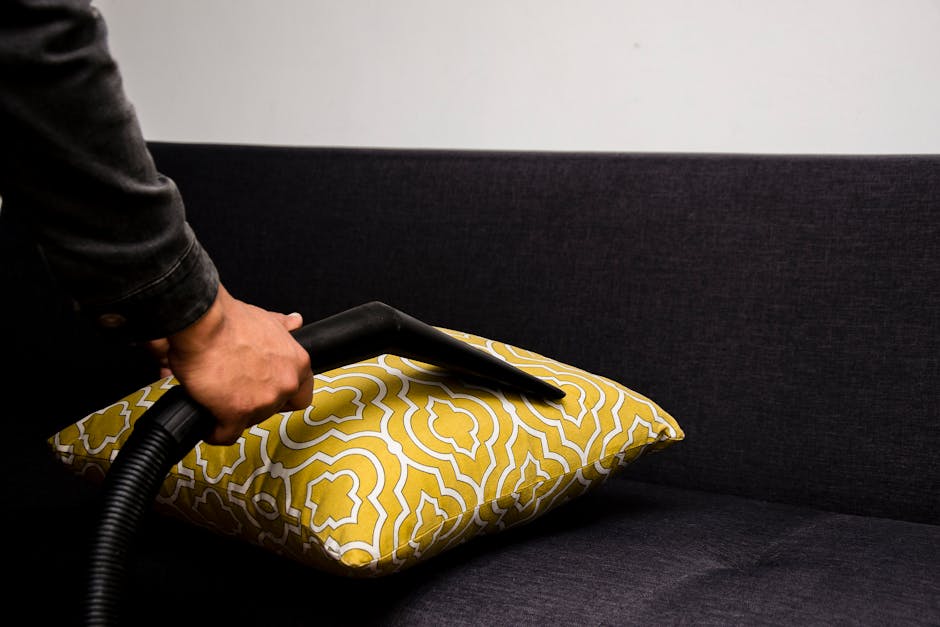
If your sofa has picked up city dust, a coffee mark, or that faint lived-in smell that sneaks up on you after a busy week, you are not alone. Upholstery takes a beating in Clerkenwell homes, offices, and shared spaces around Charterhouse Square, and it often does so quietly until one day it looks a bit tired, a bit grubby, and not quite like itself. This guide on Charterhouse Square upholstery cleaning experts in Clerkenwell explains what professional upholstery cleaning involves, why it matters, how the process works, and how to choose the right approach for your fabric, your space, and your budget. It is written to help you make a sensible decision, not a rushed one.
In a neighbourhood where properties range from period conversions to modern flats and workspaces, the right cleaning method can make a real difference. The wrong one? Well, that can leave water rings, shrinkage, lingering odour, or fabric damage nobody wants. Let's keep it practical.
Why Charterhouse Square upholstery cleaning experts in Clerkenwell matters
Upholstery is one of those things you stop noticing until it starts asking for attention. A chair seat dulls. A sofa arm looks shiny from skin oils. A dining bench traps crumbs in the weave. Around Charterhouse Square, that tends to happen faster than people expect, simply because urban homes and workplaces collect a mix of soot, traffic residue, dust, and everyday spills. Add pets, children, or a busy office rota, and fabric surfaces can begin to look older than they are.
Professional upholstery cleaning matters because fabric is not all the same. Cotton blends, wool, synthetic fibres, velvet, microfibre, leather-look materials, and mixed weaves all react differently to moisture, detergent, temperature, and agitation. That is the sort of thing a specialist checks before anything else. Honestly, that first inspection is often the difference between a good result and a costly mistake.
There is also the hygiene side. Upholstery can hold fine dust, allergens, body oils, drink residue, and odours in a way that routine vacuuming cannot fully remove. You might not see it, but you can sometimes smell it on a damp morning or feel it when you sit down after work. A careful clean helps restore freshness without over-wetting the material.
If you are comparing local options, it is sensible to look beyond the headline service and think about wider trust signals too. Clear policies, transparent pricing, and sensible service information all matter. Pages such as about the company, pricing and quotes, and insurance and safety help you judge whether a provider is organised and accountable, not just enthusiastic.
Expert summary: The best upholstery cleaning is not the wettest or the strongest. It is the one matched to the fabric, the stain, and the real condition of the item in front of you.
How Charterhouse Square upholstery cleaning experts in Clerkenwell works
In most cases, professional upholstery cleaning follows a careful sequence. That sounds simple, but each stage matters. Skipping one can affect the final finish. You will usually see some variation depending on fabric type and soiling, but the general workflow is fairly consistent.
1. Inspection and fabric identification
The technician should first check the material type, construction, and condition. This includes looking for existing wear, loose stitching, colour transfer risk, and previous cleaning marks. Fabric care labels are useful, but they are not the whole story. A seasoned cleaner will still test a discreet area, because labels can be vague or missing altogether. To be fair, that happens more often than people think.
2. Dry soil removal
Loose dust and grit are removed before wet cleaning begins. This step protects the fibres and improves the result. If abrasive particles are left in place, they can turn into a kind of microscopic sandpaper when moisture and agitation are added. Not ideal.
3. Spot treatment and stain assessment
Spots are not all equal. Tea, red wine, grease, makeup, ink, and pet accidents each need a different approach. A reliable cleaner will identify what can be improved, what may lighten, and what may remain faint even after treatment. That honesty is a good sign.
4. Main cleaning method
Depending on the fabric and condition, the technician may use low-moisture cleaning, hot water extraction, or specialist foam and fibre-safe solutions. You may also hear the term steam cleaning, though in upholstery work that phrase is often used loosely. True steam is not suitable for every material. A proper cleaner should explain the actual method rather than hiding behind a catchy label. If your furniture is being cleaned alongside floors or nearby soft furnishings, you may also want to look at related services like carpet cleaning or steam carpet cleaning, but only if those services genuinely fit the job.
5. Odour control and finishing
Once the soil is lifted, the technician may address lingering odours. This is especially relevant after cooking smells, damp, pets, or long periods of low ventilation. Drying is then managed so the fabric does not stay damp too long. In a compact Clerkenwell flat, air movement and heating can matter more than people expect.
6. Final check
A proper finish includes a visual inspection, some fibre grooming where suitable, and straightforward aftercare guidance. That last bit matters. You want to know when the item can be used again, what to avoid, and how to keep it looking decent for longer.
Key benefits and practical advantages
There is a reason people keep coming back to professional furniture and upholstery care. It is not just about making a sofa look a bit nicer for guests, though that is a fair part of it. The practical gains can be more noticeable than the visual ones.
- Better appearance: fabrics regain colour depth, texture, and a more even finish.
- Improved freshness: odours from food, pets, and general living are reduced.
- Longer fabric life: removing grit and built-up residues helps reduce wear.
- More comfortable living: clean upholstery simply feels better when you sit on it every day.
- Better impression for visitors or clients: especially useful in reception areas, meeting rooms, or rental properties.
- Support for allergy management: while not a medical treatment, removing accumulated dust can make a room feel less stuffy.
There is also the small but real psychological lift. You walk into the room and the whole space feels calmer. Funnily enough, a clean armchair can do that. It is a tiny thing, until it is not.
For households or businesses that want a broader refresh, upholstery care often sits naturally alongside sofa cleaning, rug cleaning, or curtain cleaning. The combined effect is often stronger than cleaning one item in isolation.
Who this is for and when it makes sense
Upholstery cleaning is not just for the deeply stained or visibly dirty. In fact, waiting until fabric looks awful can make the job harder. It makes sense for a lot of people and a lot of situations.
Households
If you have children, pets, visitors, or a busy lifestyle, upholstery can become a collection point for crumbs, marks, and everyday grime. Even a tidy home can still have tired-looking seating after a year or two. That is normal.
Landlords and tenants
End-of-tenancy situations often need a sensible clean-up of sofas, upholstered dining chairs, or occasional chairs. This is especially useful where furniture is part of the inventory and needs to present well for the next occupant. Good documentation and clear expectations help here.
Offices and studios
Reception seating, breakout chairs, and collaborative lounge areas tend to accumulate visible wear very quickly. If clients visit, first impressions matter. If staff spend long hours there, comfort does too. A clean seating area can make a business feel more professional without a full refit.
Hospitality and short-let spaces
Guests notice soft furnishings. They may not comment on them, but they notice. A fresh-looking chair or sofa gives a much better feel than one with lingering marks or a stale smell from closed windows and repeated use.
When to book rather than wait
Book sooner if you notice:
- persistent odours after regular cleaning
- spills that have settled into the fabric
- flattened or matted pile on upholstered surfaces
- dusty, grey-looking areas on arms, seats, or headrests
- pet hair clinging despite vacuuming
- colour variation where some areas look darker from soil build-up
Truth be told, if you are asking yourself whether it looks due for cleaning, it probably is.
Step-by-step guidance
If you want to handle upholstery cleaning properly, whether you are preparing for a service or just understanding the process, this step-by-step outline helps.
- Identify the item and fabric. Check labels, take note of delicate trims, and look for any visible damage.
- Vacuum thoroughly. Use a soft brush attachment and take your time around seams and buttons.
- Test for colour stability. Any reputable cleaner will do this, but if you are spot-treating at home, test first in a hidden corner.
- Treat obvious spots carefully. Blot, do not scrub. Scrubbing pushes the stain deeper and roughs up the fibres.
- Select the right method. Low-moisture methods suit some fabrics, while others need deeper extraction. There is no one-size-fits-all answer.
- Manage drying properly. Ventilation matters. A window open a crack, heating on moderately, and some air movement can help.
- Inspect once dry. Check for missed marks, watermarking, or lingering odour. That final look is worth doing properly.
If you are booking a professional service, ask what method will be used and why. A good provider should explain the logic in plain English. Not a lecture, just a clear explanation. That is usually a nice sign.
Expert tips for better results
Here are the small things that often make the difference between decent and genuinely good upholstery cleaning.
- Vacuum regularly between professional cleans. Dry soil removal is the best prevention.
- Deal with spills quickly. Blotting within minutes is far better than waiting until tomorrow.
- Do not over-wet fabrics. More liquid does not mean more cleaning power. Sometimes it just means more risk.
- Use plain, calm language when discussing the job. Tell the cleaner where the issue started, what the stain may be, and whether the item has been treated before.
- Consider nearby furnishings too. If one sofa is dusty, the rug and curtains probably are not pristine either.
- Ask for aftercare advice. A quick note on drying and maintenance can save a lot of bother later.
One useful habit: keep a soft lint brush or vacuum attachment near the seating area. It sounds a bit fussy, maybe even a touch over the top, but it makes daily upkeep easier. And easier is good.
If the furniture is part of a larger cleaning plan, you might also benefit from related specialist pages such as stain removal for targeted issues or pet stain and odour removal where animal accidents have left a lasting trace.
Common mistakes to avoid
Most upholstery damage does not come from dramatic disasters. It comes from small, avoidable mistakes.
- Using the wrong cleaner. Household sprays may leave residue, bleach colour, or make the stain worse.
- Scrubbing hard. This frays fibres and can spread the mark.
- Ignoring the fabric type. Velvet and woven synthetics are not cleaned the same way. Not even close.
- Leaving moisture trapped inside cushions. That can lead to odour or slow drying.
- Assuming every stain can be fully removed. Some dyes and old marks are permanent or only partially improvable.
- Choosing purely on price. Cheap can be fine, but only if the method, equipment, and care level are right too.
A very common one: trying a bit of everything on the same stain. First soda, then detergent, then vinegar, then more detergent. By then, nobody knows what the original problem was. The fabric certainly doesn't enjoy it.
Tools, resources and recommendations
You do not need a van full of kit to understand upholstery care. Still, it helps to know what professionals typically use and why.
| Tool or resource | What it does | Why it matters |
|---|---|---|
| Upholstery vacuum attachment | Lifts dust and loose debris from seams and surfaces | Prevents grit from damaging fibres during wet cleaning |
| Spotting cloths | Used to blot and control spill response | Helps stop stains spreading |
| Fibre-safe cleaning solution | Targets soil without attacking the material | Reduces the risk of colour loss or residue build-up |
| Moisture extraction equipment | Removes cleaning fluid and dissolved dirt | Speeds drying and improves results |
| Air movement / drying support | Helps fabrics dry evenly | Minimises damp smell and water marking |
| Service information from the provider | Explains pricing, process, and terms | Helps you compare services properly |
From a customer point of view, one of the best "resources" is simply a provider that explains things clearly and stands by its service terms. Pages like terms and conditions and complaints procedure can tell you a lot about how the business handles expectations and issues. That matters more than people admit.
If you are looking for a more general overview of fabric care, the main upholstery cleaning page is the obvious place to start, while mattress cleaning can be useful if you are refreshing multiple soft-furnishing items at once.
Law, compliance, standards, or best practice
For upholstery cleaning, the main trust question is less about dramatic regulation and more about sensible working practices. In the UK, customers should expect a provider to operate safely, handle chemicals carefully, and respect property while working. That means clear communication, appropriate insurance, and a cautious approach to delicate fabrics.
Best practice usually includes:
- checking the fabric before cleaning begins
- testing cleaning solutions on a hidden area
- explaining expected drying times and any limits on stain removal
- using appropriate protective measures where needed
- being transparent if a stain is likely permanent
- working in line with the provider's stated safety procedures
If you are comparing companies, do not be shy about asking whether they are insured and how they manage risk. A clear statement on health and safety policy and payment and security can be reassuring. It is not flashy, but it is useful. And in this line of work, useful is what counts.
Environmental practice is another sensible consideration. Some customers prefer lower-water methods where suitable, or want to know that waste and packaging are handled responsibly. If that matters to you, a provider's recycling and sustainability information is worth reading. Not every job needs the same footprint, and being thoughtful about it is a good sign.
Options, methods, or comparison table
Different upholstery jobs call for different methods. Here is a practical comparison to help you understand the trade-offs.
| Method | Best for | Pros | Watch-outs |
|---|---|---|---|
| Low-moisture upholstery cleaning | Routine refreshes and delicate fabrics | Faster drying, lower saturation, less disruption | May not suit deeply embedded soil or heavy staining |
| Hot water extraction | Heavier soiling on suitable fabrics | Deep soil removal, strong refresh effect | Needs careful moisture control and drying time |
| Foam or solvent-led cleaning | Some delicate or speciality materials | Can be gentler on water-sensitive fabrics | Requires the right product and technician skill |
| Targeted spot treatment only | Small isolated stains | Fast, focused, minimal disruption | Not a full clean; can leave surrounding soil in place |
In a real home or office, the best choice is usually a mix of methods rather than a single one. A sofa might need full cleaning, while one arm needs a careful stain treatment. A set of dining chairs may each need slightly different handling because one sits in direct sunlight and another has a pet favourite corner. Small details, big effect.
Case study or real-world example
Here is a typical local scenario. A Clerkenwell flat near Charterhouse Square has a two-seat sofa, a pair of upholstered dining chairs, and a footstool. The sofa looks fine at first glance, but under daylight the arms are a little shiny, the seat cushions have a faint grey cast, and there is a coffee ring on one corner cushion. Nothing dramatic. Just enough to make the room feel tired.
The cleaner starts with inspection, checks the fabric response in a hidden area, and notes that the material is a synthetic blend with moderate soil build-up. The coffee mark has set, so it gets targeted treatment before the main clean. The dining chairs are more delicate, so they are treated with a gentler approach. The footstool has a flattened look from daily use, so it receives extra attention around the seams and edges.
After drying, the room feels brighter. Not new, exactly. Better than new in some ways, because the furniture still keeps its character, just without the dullness sitting on top of it. The customer also gets simple aftercare advice: vacuum weekly, blot spills quickly, and avoid placing damp laundry on the sofa arm again. A small thing, but that one happens all the time.
That kind of result is realistic. It is not magic. It is careful work done in the right order.
Practical checklist
Use this checklist before you book or before a technician arrives.
- Identify each upholstered item that needs cleaning.
- Check whether there is a care label or fabric note.
- Point out stains, odours, pet areas, or worn patches.
- Move small items, throws, and loose cushions out of the way.
- Make access clear around the furniture.
- Ask what cleaning method is likely to be used.
- Confirm expected drying time and when the item can be used again.
- Ask about insurance, safety, and any aftercare guidance.
- Read pricing details before you agree to the work.
- Keep windows or airflow in mind for drying, especially in tighter London spaces.
It sounds simple. Mostly it is. But a little preparation really does improve the outcome.
Conclusion
Charterhouse Square upholstery cleaning experts in Clerkenwell are not just there to make furniture look better for a day or two. Done properly, upholstery cleaning restores comfort, reduces built-up dirt, tackles lingering odours, and helps furniture last longer without losing its shape or character. The best results come from a cautious, fabric-aware approach, clear communication, and realistic expectations about what can be removed and what can only be improved.
If you are weighing up options, start with the basics: fabric type, cleaning method, trust signals, and aftercare. A sensible provider should be able to explain all of that in plain English, without turning it into a sales pitch. That alone tells you a lot.
Get a free quote today and see how much you can save.
And if you take only one thing from this guide, let it be this: the right clean is usually the gentle, informed one, not the loudest one. Your furniture will thank you for that in its own quiet way.
Frequently Asked Questions
How often should upholstery be professionally cleaned?
It depends on use, fabric type, and household conditions. A busy family sofa may need attention more often than a little-used chair. If the fabric starts looking dull, smelling stale, or holding visible soil, it is probably time.
Can upholstery cleaning remove old stains?
Sometimes yes, sometimes only partly. Fresh spills are far easier than marks that have had months to set. A good cleaner should tell you honestly what is likely to improve and what may remain faint.
Is steam cleaning safe for all upholstered furniture?
No, not all furniture. Some fabrics tolerate moisture well, others do not. That is why a proper inspection matters before any cleaning method is chosen.
How long does upholstery take to dry?
Drying time varies depending on the fabric, room ventilation, and cleaning method. Low-moisture cleaning dries faster; deeper extraction methods can take longer. Good airflow helps a lot.
Will upholstery cleaning get rid of pet odours?
It often reduces them significantly, especially when the source is surface soil or absorbed residue. Strong or repeated pet contamination can be more stubborn and may need targeted treatment such as pet stain and odour removal.
Can I clean upholstered furniture myself?
You can handle light maintenance such as vacuuming and careful blotting. But full cleaning is trickier, especially with delicate fabrics or unknown stains. A wrong product can make things worse quite quickly.
What should I do before the cleaner arrives?
Remove small items, clear access around the furniture, and point out any problem areas. If possible, check for labels or previous treatment notes. That little bit of prep helps the appointment run smoothly.
How do I know if a cleaner is trustworthy?
Look for clear service information, sensible pricing, and proper insurance. It also helps if the company explains its process plainly and provides useful policy pages such as insurance and safety and terms and conditions.
Is upholstery cleaning worth it for rental properties or offices?
Usually yes. In rented homes, clean seating helps present the property well. In offices, it supports a professional appearance and a more comfortable environment for staff and visitors.
Can upholstery cleaning damage fabric?
It can, if the wrong method or product is used. That is why testing, fabric identification, and careful moisture control matter so much. The risk is much lower when the work is done properly.
What if my sofa has both stains and a general dull look?
That is common. A professional will usually treat the stains first, then clean the broader fabric area so the whole piece looks more even. The aim is not just to remove one mark, but to restore the item as a whole.
Where can I learn more about related cleaning services?
If you are refreshing multiple items at once, you may find it useful to look at related pages such as sofa cleaning, rug cleaning, and curtain cleaning. That often gives a better overall result than tackling one item alone.